

Which Cooling Solution Is Right for Your Home?
When summer temperatures rise, finding an effective way to keep your home cool becomes a priority. For many homeowners and renters, the choice often comes down to two popular options: portable air conditioners and split air conditioning systems. Both are designed to lower indoor temperatures and improve comfort during hot weather, but they differ significantly in installation, flexibility, cost and long-term performance.
Understanding the advantages and limitations of each system can help you choose the most suitable cooling solution for your home, lifestyle and budget. This guide explains the key differences between portable and split air conditioners, how they work and which option is best suited to different situations.
How Portable and Split Air Conditioners Work
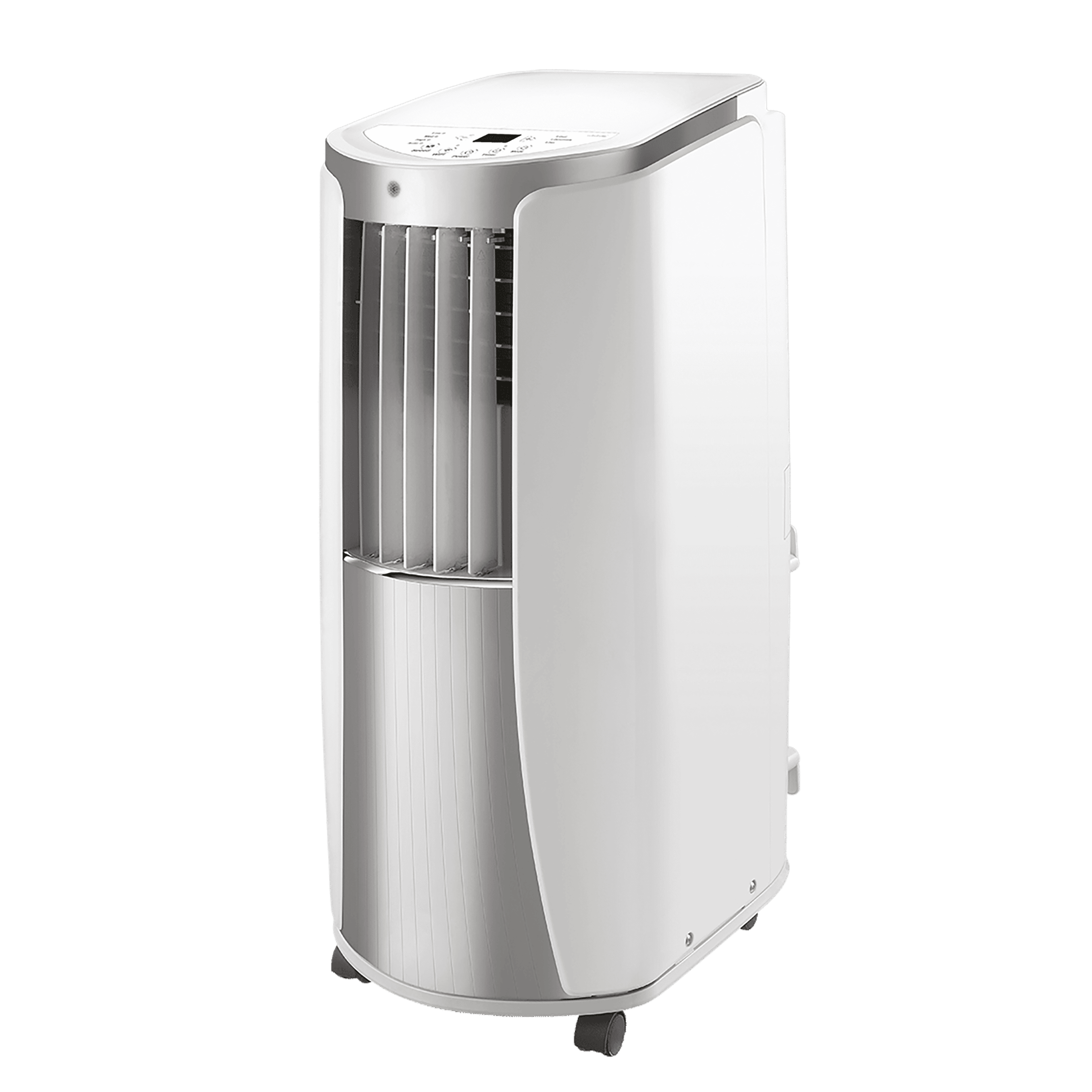
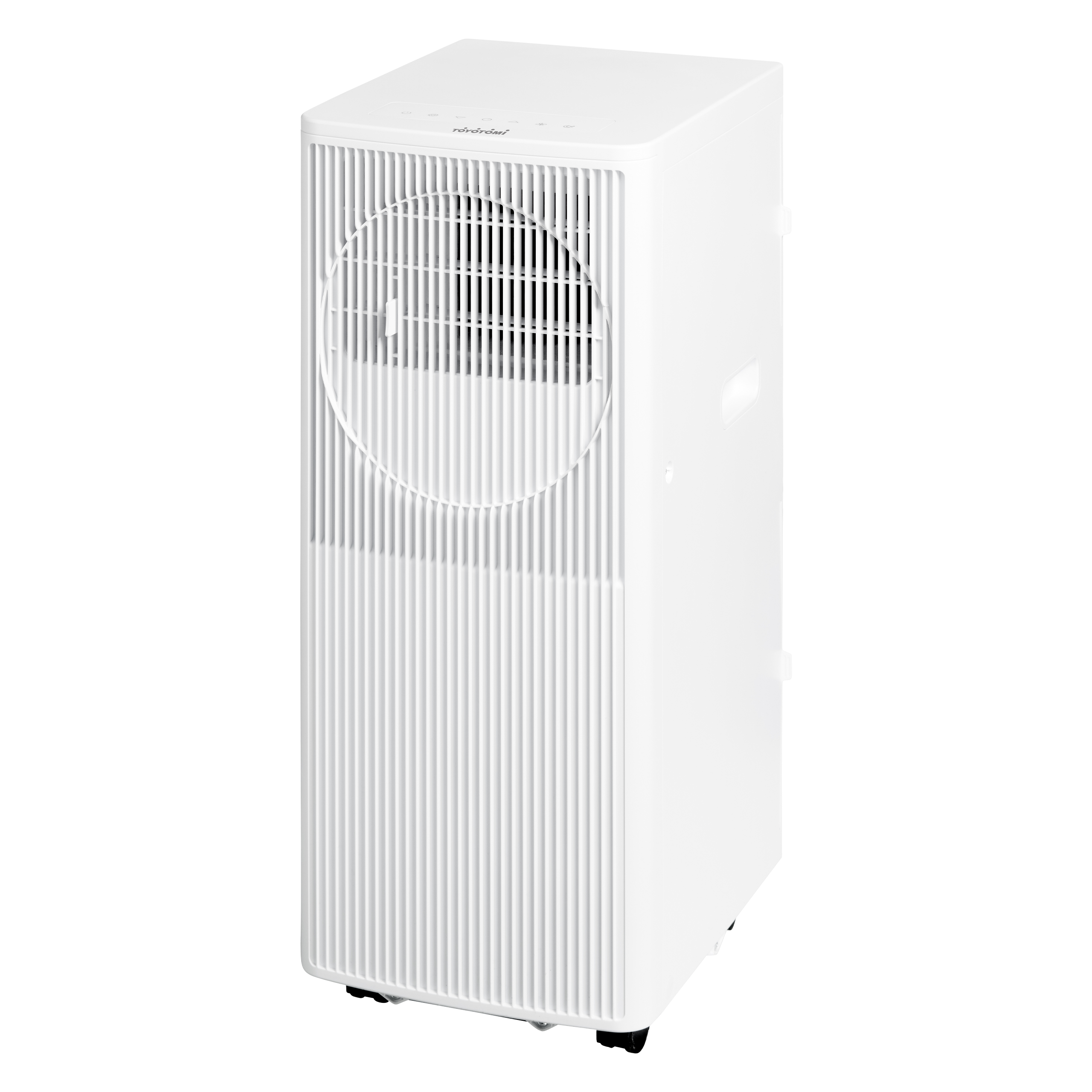
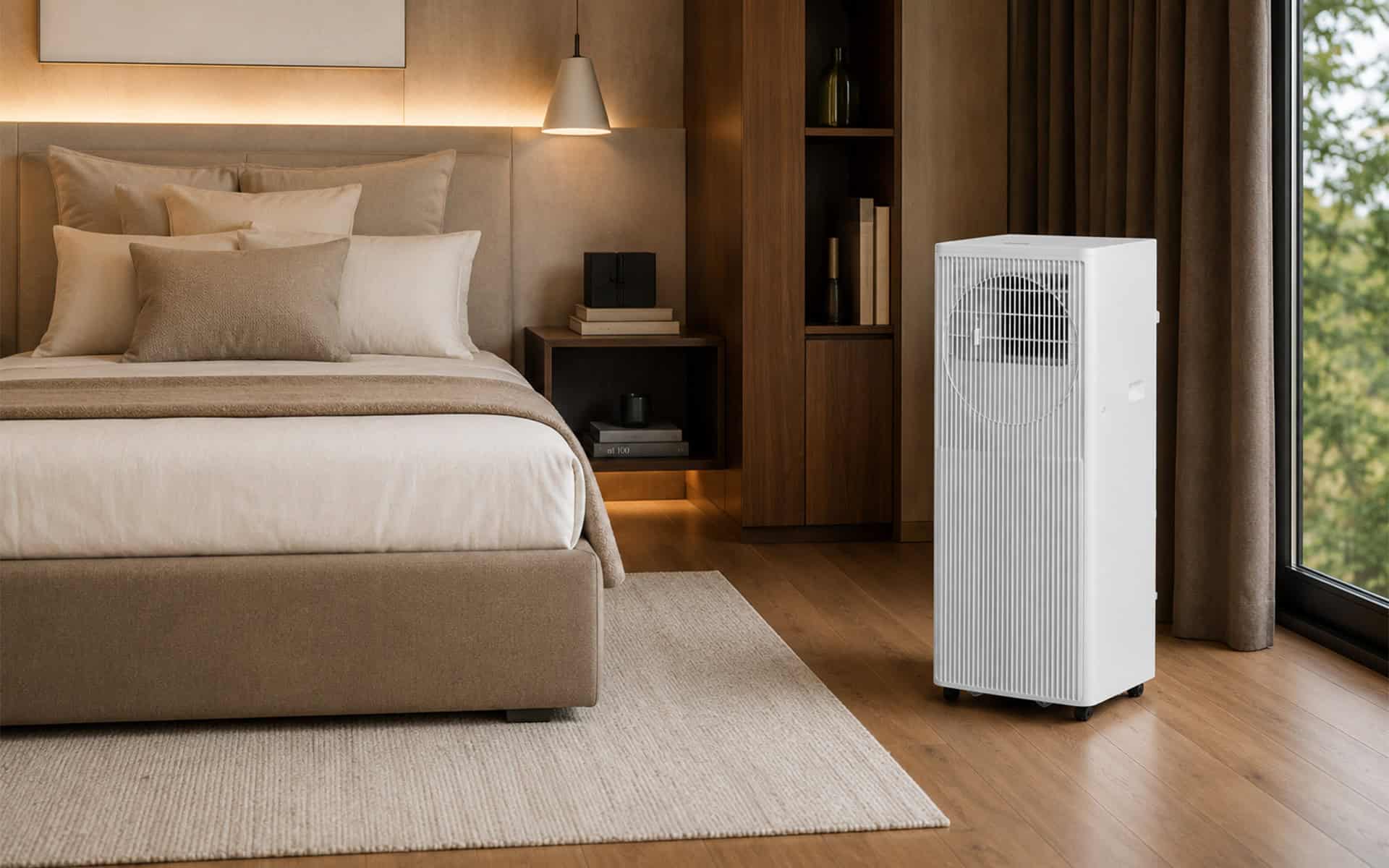
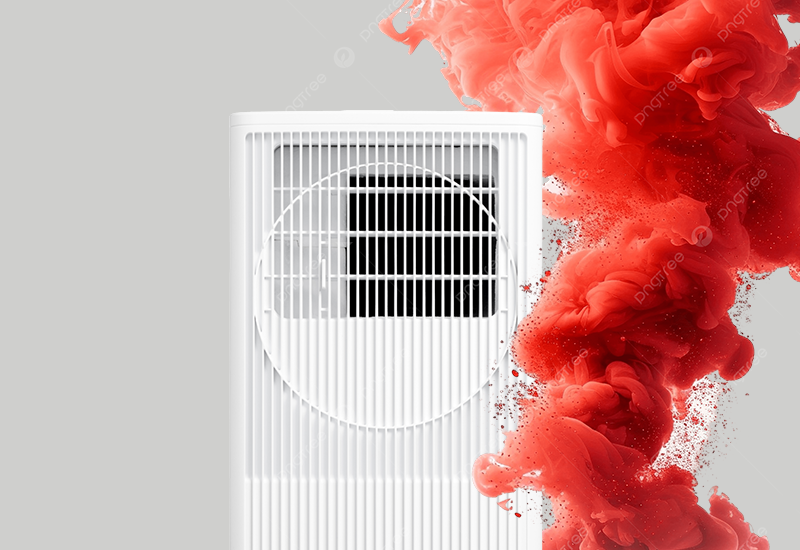
A portable air conditioner is a self-contained unit that sits inside the room. Warm air is drawn into the unit, cooled and recirculated, while heat is expelled through an exhaust hose connected to a nearby window or vent.
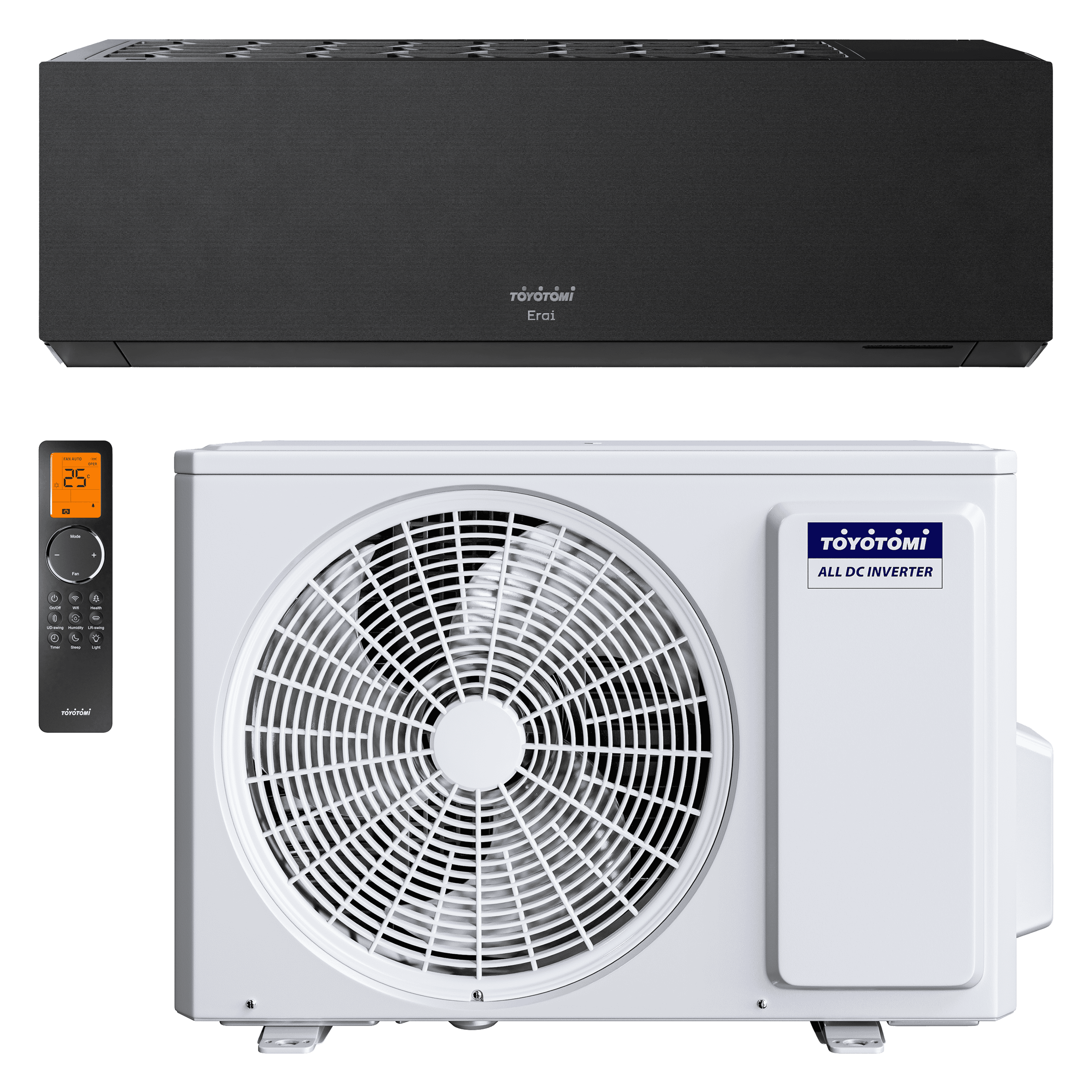
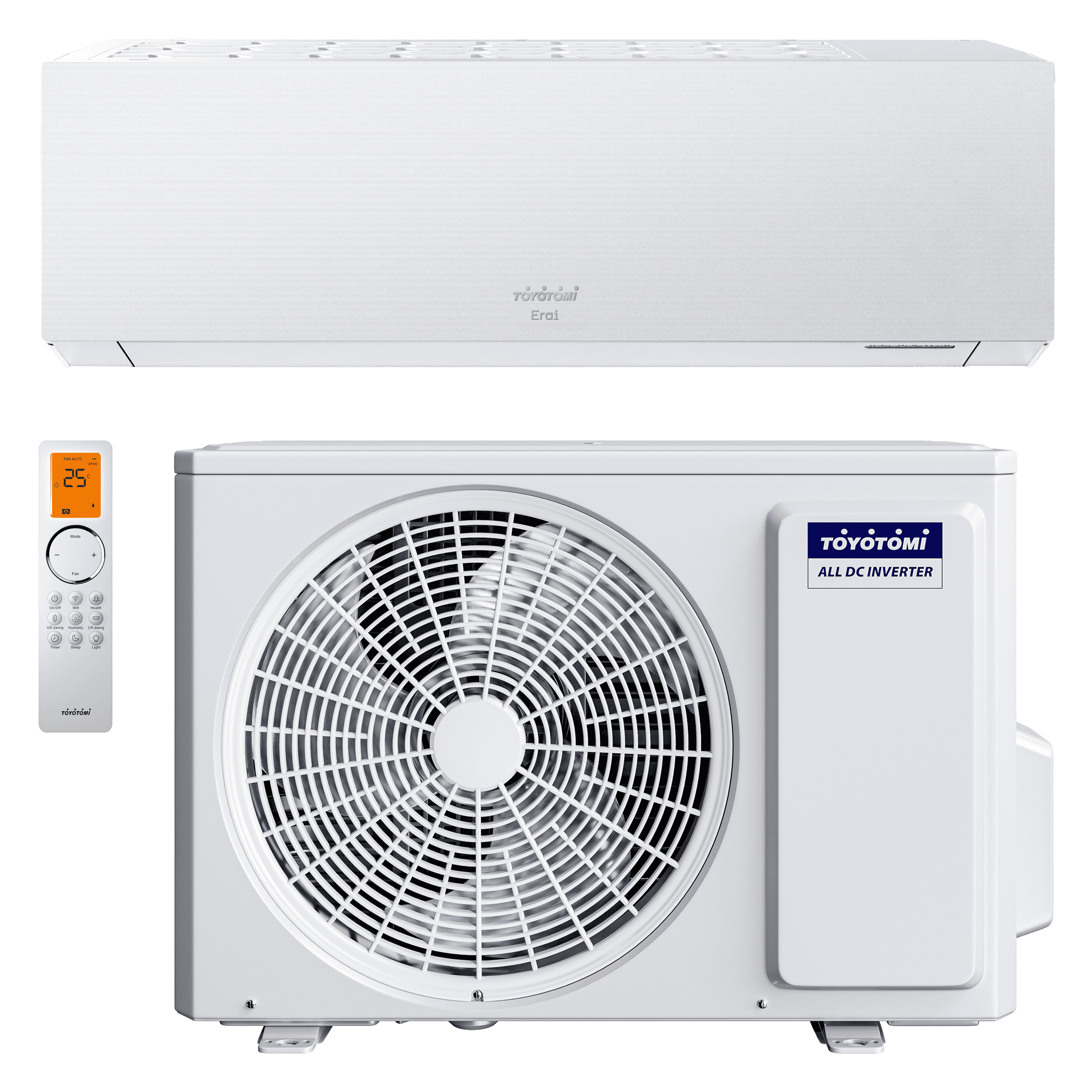
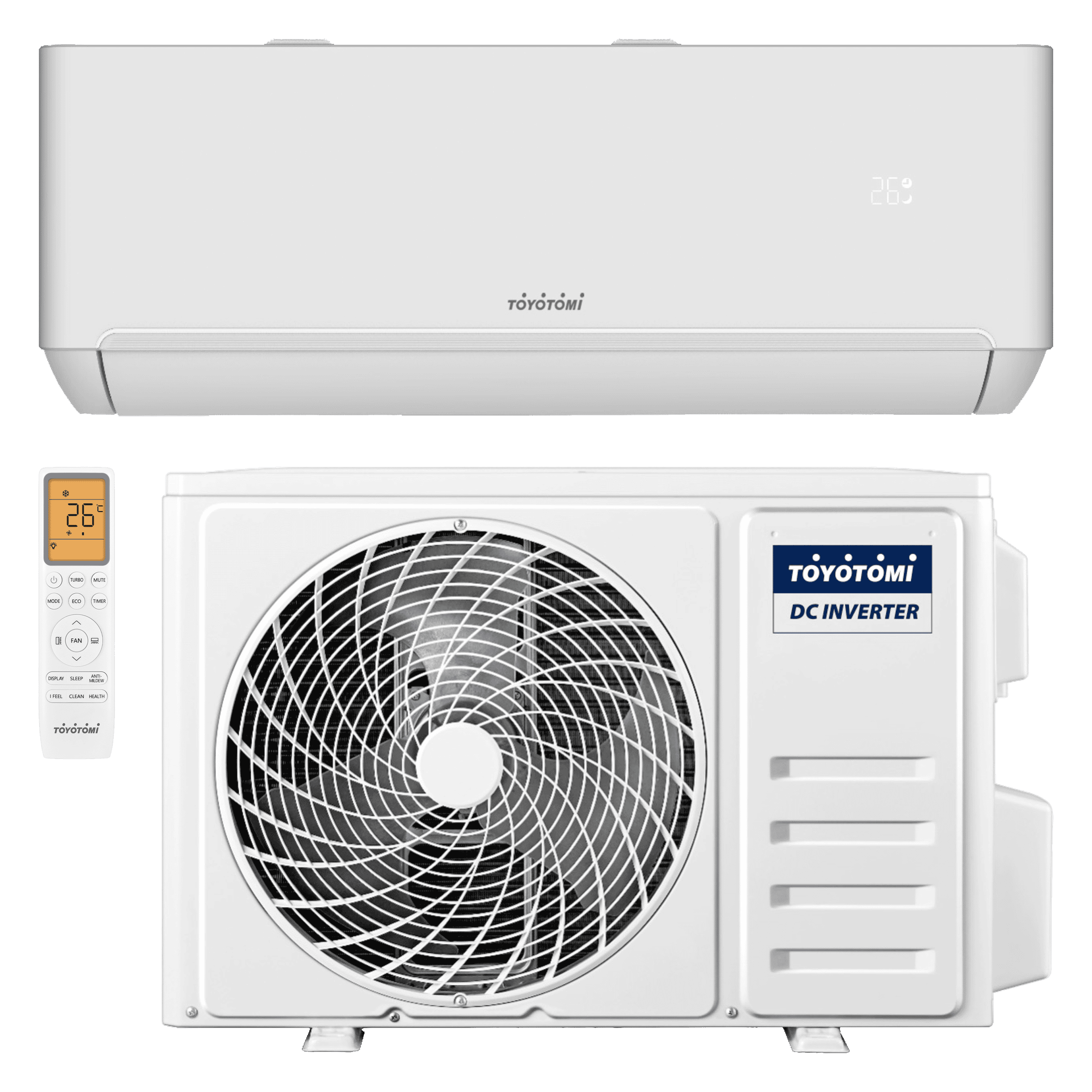
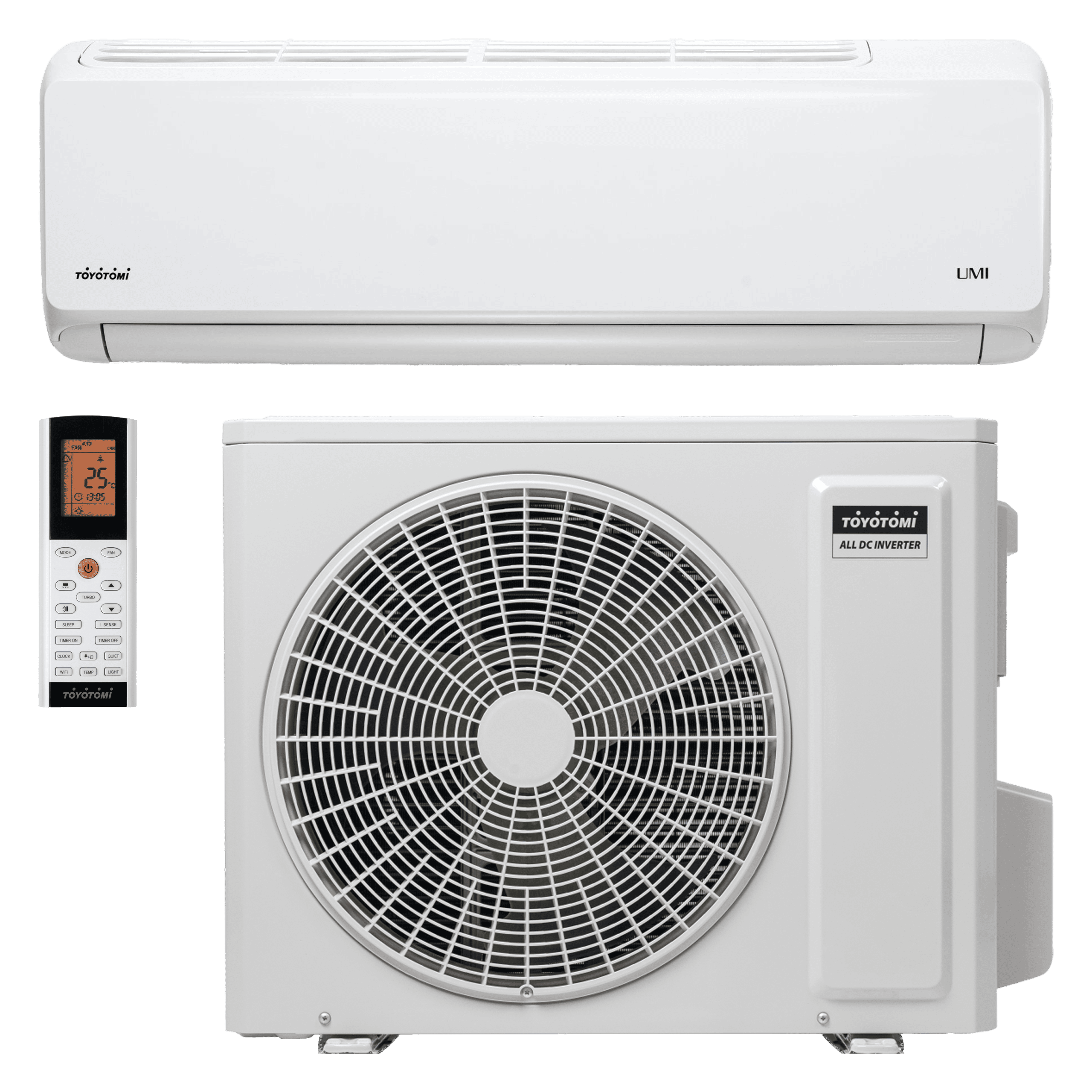
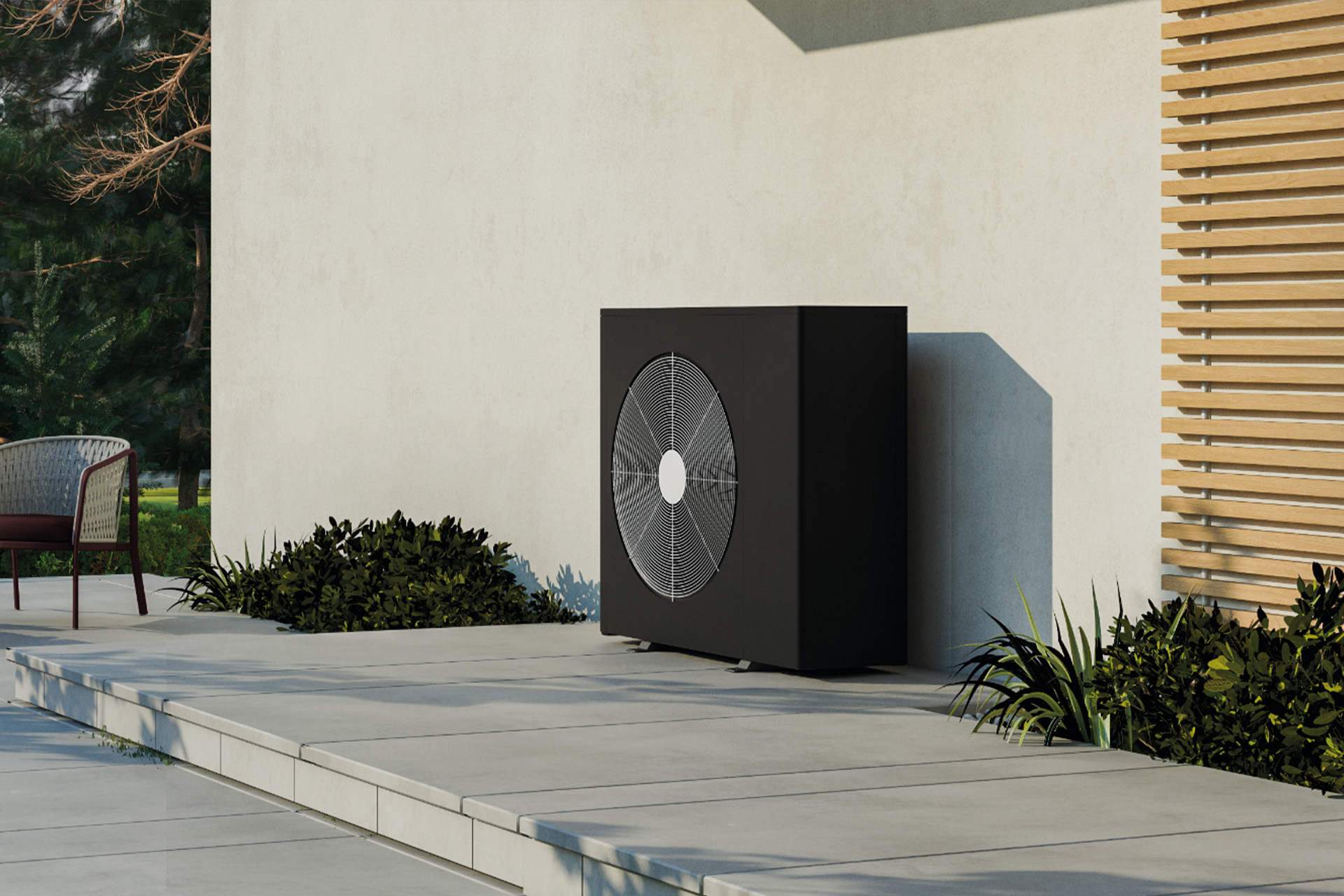
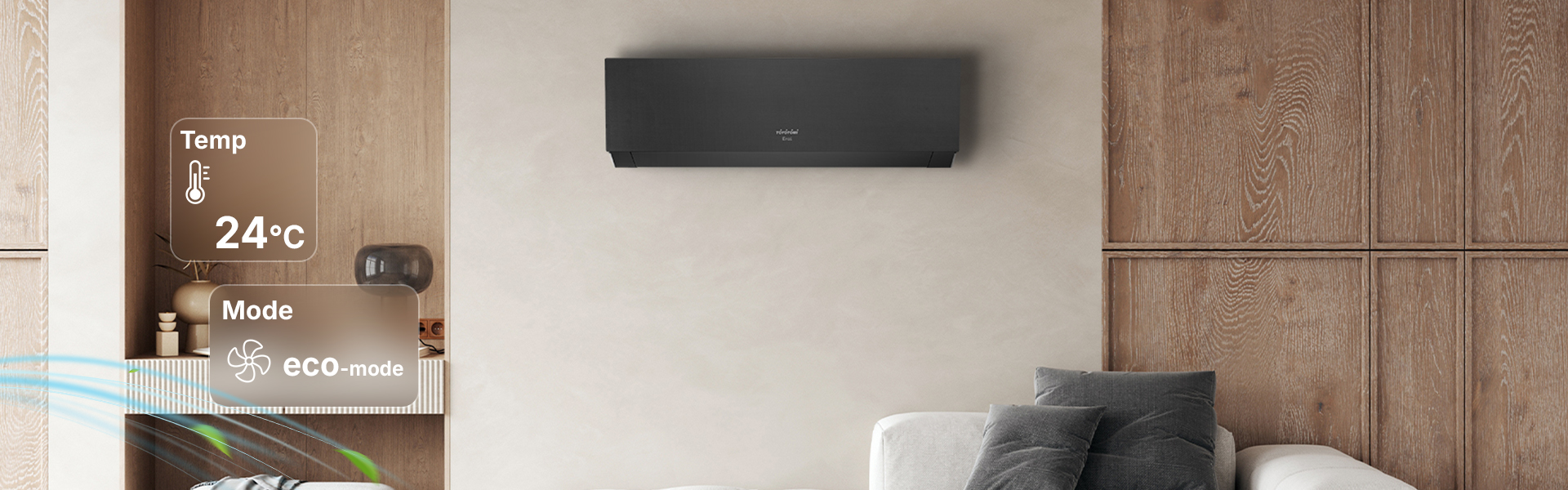
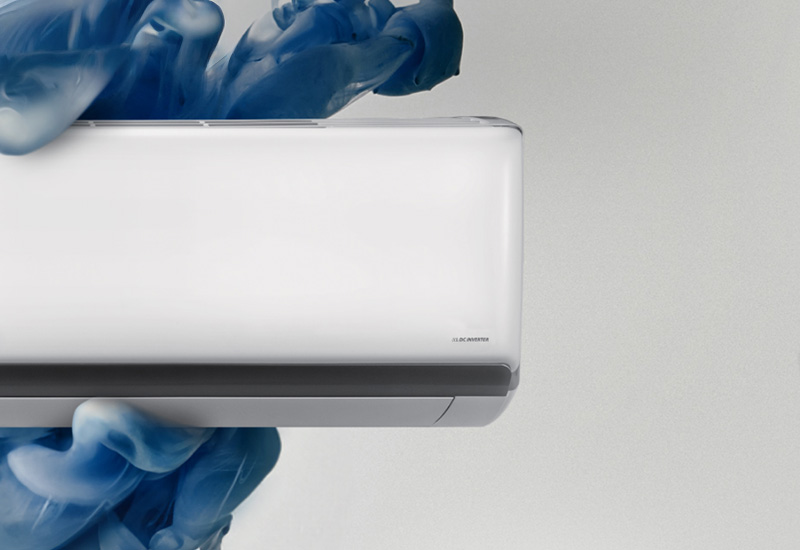
A split air conditioner consists of two separate components. An indoor unit distributes cool air throughout the room, while an outdoor unit removes the heat extracted from inside. The two units are connected through refrigerant pipes installed through an exterior wall.
Although both systems provide effective cooling, their installation requirements and long-term applications differ considerably.
Portable Air Conditioners: Flexible and Easy to Install
Portable air conditioners are designed for convenience and flexibility. They require no permanent installation and can often be set up within minutes. This makes them particularly popular for apartments, rental properties, home offices and rooms that only require seasonal cooling.
Key benefits of portable air conditioners include:
- No permanent installation required
- Easy relocation between rooms
- Lower upfront investment
- Ideal for renters and temporary cooling needs
Portable units are especially useful for homes that experience short periods of high temperatures during summer or where installing a fixed system is not possible. Because they can be moved when needed, a single unit may cool different areas of the home throughout the day, such as a home office during working hours and a bedroom at night.
Split Air Conditioners: Permanent and Highly Efficient
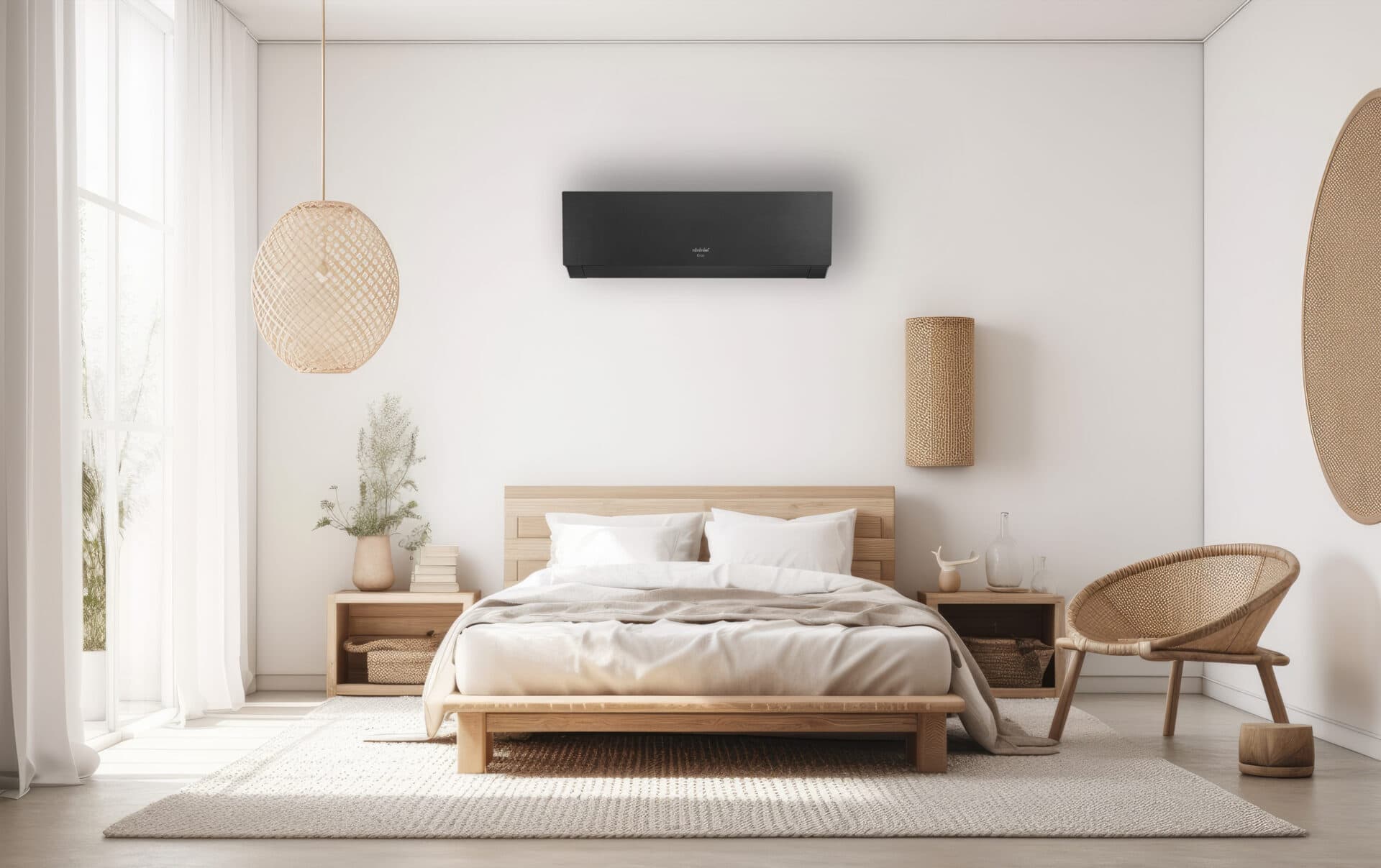
Split air conditioning systems are designed as a long-term cooling solution. Once installed, they provide powerful, efficient and consistent cooling with minimal day-to-day effort.
Advantages of split air conditioners include:
- Higher cooling efficiency
- Quieter indoor operation
- Permanent temperature control
- Lower energy consumption over extended use
- Suitable for larger rooms and regular use
Because the compressor and main operating components are located outside the home, split systems typically produce less indoor noise than portable units. They are often the preferred choice for homeowners who require cooling throughout the summer season or want a permanent climate control solution for bedrooms, living rooms and open-plan spaces.
Installation Requirements
One of the biggest differences between the two systems is installation. Portable air conditioners require only a nearby window or ventilation point for the exhaust hose. Most users can install the unit themselves without professional assistance.
Split air conditioners require professional installation. An indoor and outdoor unit must be mounted and connected, which involves electrical work, refrigerant piping and wall penetrations. Installation costs should therefore be considered alongside the purchase price.
For renters or homeowners who cannot make structural modifications to a property, portable air conditioners are often the more practical option.
Comparing Running Costs and Efficiency
Energy efficiency is an important consideration when choosing an air conditioning system. Split air conditioners are generally more energy efficient because they are designed for continuous operation and benefit from advanced inverter technology. Over time, this can result in lower operating costs, particularly in homes that use air conditioning frequently.
Portable air conditioners remain highly effective for cooling individual rooms but may consume more electricity when used for long periods compared to a modern split system. However, for occasional cooling during hot weather, many households find portable air conditioners to be the most cost-effective solution because they avoid installation expenses and can be used only when needed.
Which Air Conditioner Is Best for Your Home?
There is no universal answer to whether a portable or split air conditioner is better. The most suitable option depends on how often you need cooling, the size of the space and whether permanent installation is practical.
Portable air conditioners provide flexibility, affordability and immediate relief during hot weather, making them ideal for many European homes. Split systems offer superior efficiency and long-term performance for those seeking a permanent cooling solution.
By understanding the differences between both technologies, you can choose the air conditioning system that delivers the comfort, convenience and performance your home needs. Toyotomi offers a range of portable and fixed air conditioning solutions designed to help homeowners stay comfortable throughout the summer season, whether they require flexible room cooling or a permanent climate control system.