

Professional Climate Control for Commercial Spaces
Maintaining a comfortable indoor environment is essential for businesses. In offices, poor temperature control affects productivity and concentration. In retail spaces, uncomfortable conditions reduce dwell time and customer satisfaction. In restaurants, heating, cooling and airflow directly influence guest comfort and staff performance throughout long operating hours.
Unlike residential spaces, commercial environments place higher and more complex demands on HVAC systems. Room sizes vary, occupancy levels change throughout the day and heat is generated by lighting, equipment and people. This guide explains how to choose the right HVAC solutions for offices, shops, restaurants and other commercial spaces and why correct system selection is critical for comfort, efficiency and long-term performance.
Why Commercial Spaces Need Dedicated HVAC Solutions
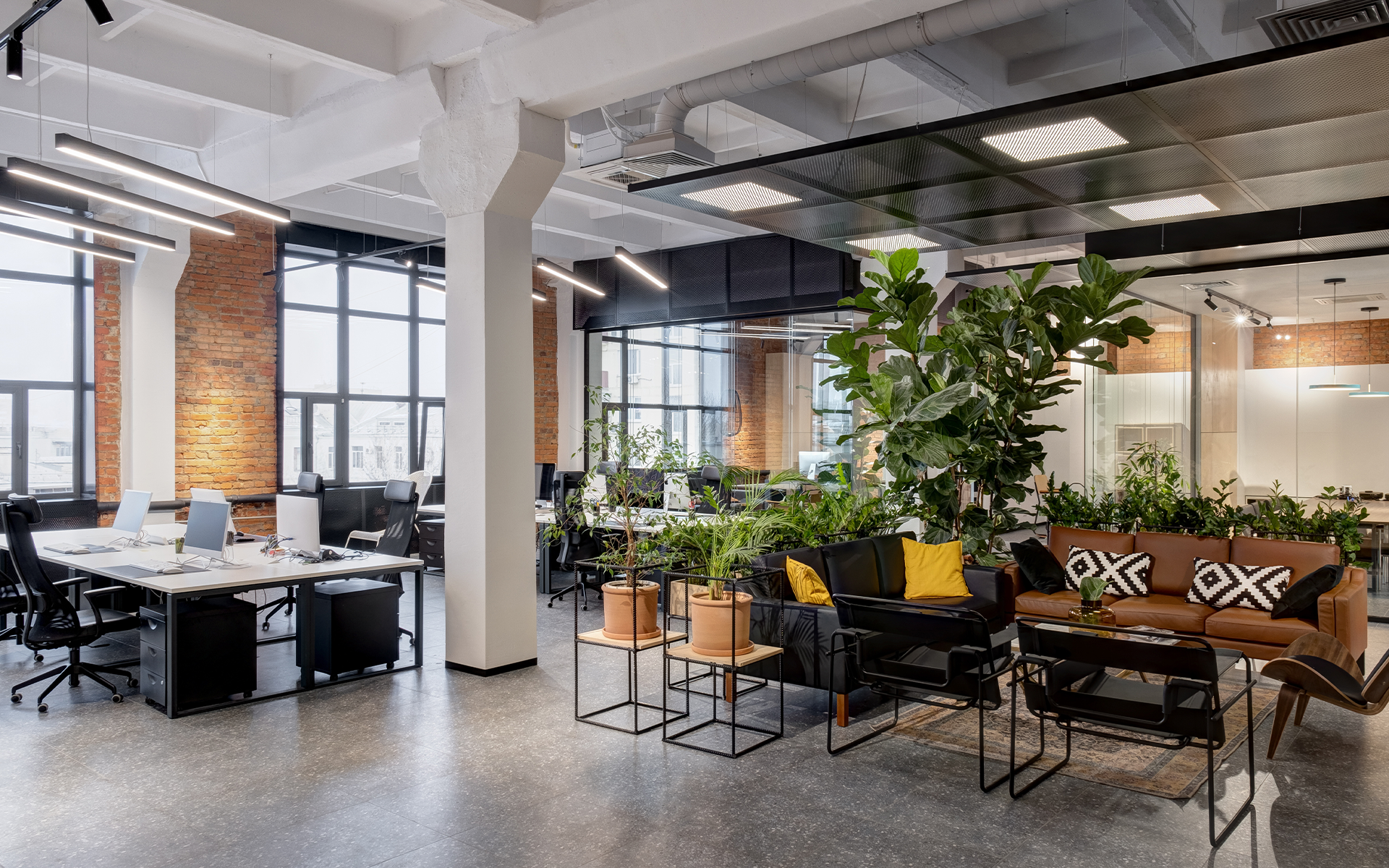
Commercial buildings behave very differently from homes. Larger open areas, higher ceilings and constant foot traffic all affect how heat and cool air move through a space. Systems designed for residential use often struggle to maintain consistent comfort in these conditions.
In business environments, HVAC systems must deliver reliable temperature control, even air distribution and efficient operation during long daily running hours. They must also adapt to varying occupancy, seasonal changes and different usage zones within the same building.
Key Factors When Choosing Commercial HVAC Systems
Before selecting a system, it is important to understand the specific demands of the space. Floor area alone is not enough. Ceiling height, insulation quality, window exposure and the type of business all influence the best solution.
Operating hours also play a major role. Offices may require consistent daytime comfort, while restaurants and shops often experience peak demand during evenings or weekends. Energy efficiency, noise levels and air distribution become especially important in customer-facing environments.
HVAC Solutions for Offices
Office environments require stable temperatures and even airflow to maintain comfort throughout the working day. Hot or cold spots, drafts and noise distractions quickly lead to complaints and reduced productivity.
Ductable air conditioning systems are often an effective solution for offices, particularly in larger or open-plan layouts. By distributing conditioned air through ceiling ducts, these systems provide uniform temperatures without visible wall units. Zoning allows different areas, such as meeting rooms and open workspaces, to be controlled independently.
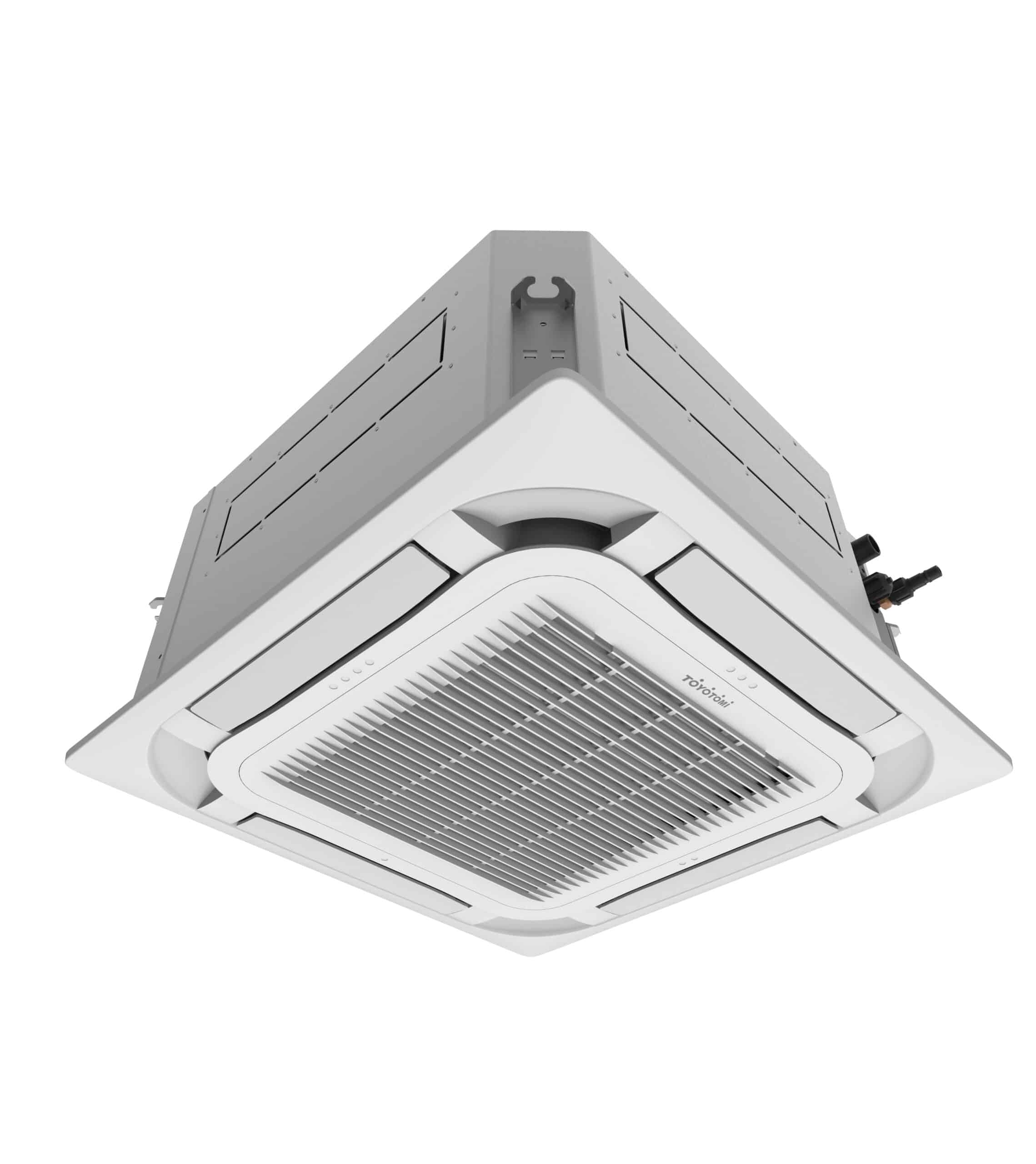
Ceiling-mounted cassette units are also widely used in offices where ducting is impractical. They offer balanced airflow in multiple directions and maintain a clean, professional appearance. In larger spaces, ceiling fans can be used alongside air conditioning to improve air circulation and reduce the need for higher cooling output.
HVAC Solutions for Shops and Retail Spaces
Retail environments place unique demands on HVAC systems. Doors opening frequently, variable customer numbers and strong lighting all contribute to fluctuating indoor temperatures.
For shops, rapid temperature recovery and consistent comfort are key. Ceiling cassette systems and ductable units work well in retail settings by delivering even cooling or heating across open floor areas. These systems help avoid hot spots near entrances or cold areas deeper inside the store.
Ceiling fans can be particularly effective in retail spaces with higher ceilings. By improving air circulation, they help distribute conditioned air more evenly and support energy efficiency without compromising comfort.
HVAC Solutions for Restaurants and Hospitality
Restaurants require careful HVAC planning due to high heat loads, long operating hours and the need for quiet operation. Kitchens generate significant heat, while dining areas must remain comfortable without noticeable airflow or noise.
Ductable systems are often preferred in restaurants, as they allow air to be supplied discreetly and evenly throughout the dining space. Zoning is especially important, enabling separate control of kitchen, bar and seating areas.
Ceiling fans can enhance comfort in dining areas by gently circulating air without creating drafts. When combined with efficient air conditioning, they help maintain a pleasant atmosphere while reducing overall energy demand.
The Role of Ceiling Fans in Commercial HVAC
Ceiling fans are not a replacement for air conditioning in commercial environments, but they are a powerful complement. By improving air movement, they enhance perceived comfort and support more efficient temperature control.
In larger spaces, ceiling fans help prevent warm air from accumulating near ceilings and improve the effectiveness of both heating and cooling systems. This can allow HVAC systems to operate at lower output while maintaining the same comfort level, reducing energy consumption over time.

Energy Efficiency and Long-Term Performance
For businesses, HVAC systems represent a long-term investment. Energy-efficient systems with proper sizing, zoning and airflow design reduce operating costs and extend equipment lifespan.
Modern commercial HVAC solutions focus on balancing comfort with efficiency. Technologies such as inverter compressors, smart controls and integrated ventilation help businesses maintain consistent indoor conditions while managing energy use effectively.
Creating Comfortable Commercial Environments
Choosing the right HVAC solution for offices, shops and restaurants is about more than temperature control. It is about creating spaces where people feel comfortable, focused and welcome.
By selecting systems designed for commercial demands, including ductable air conditioning, ceiling units and complementary airflow solutions such as ceiling fans, businesses can achieve reliable comfort, efficient operation and a better overall indoor environment.