


Heat Pumps Become a Central Part of Europe’s Clean Heating Transition
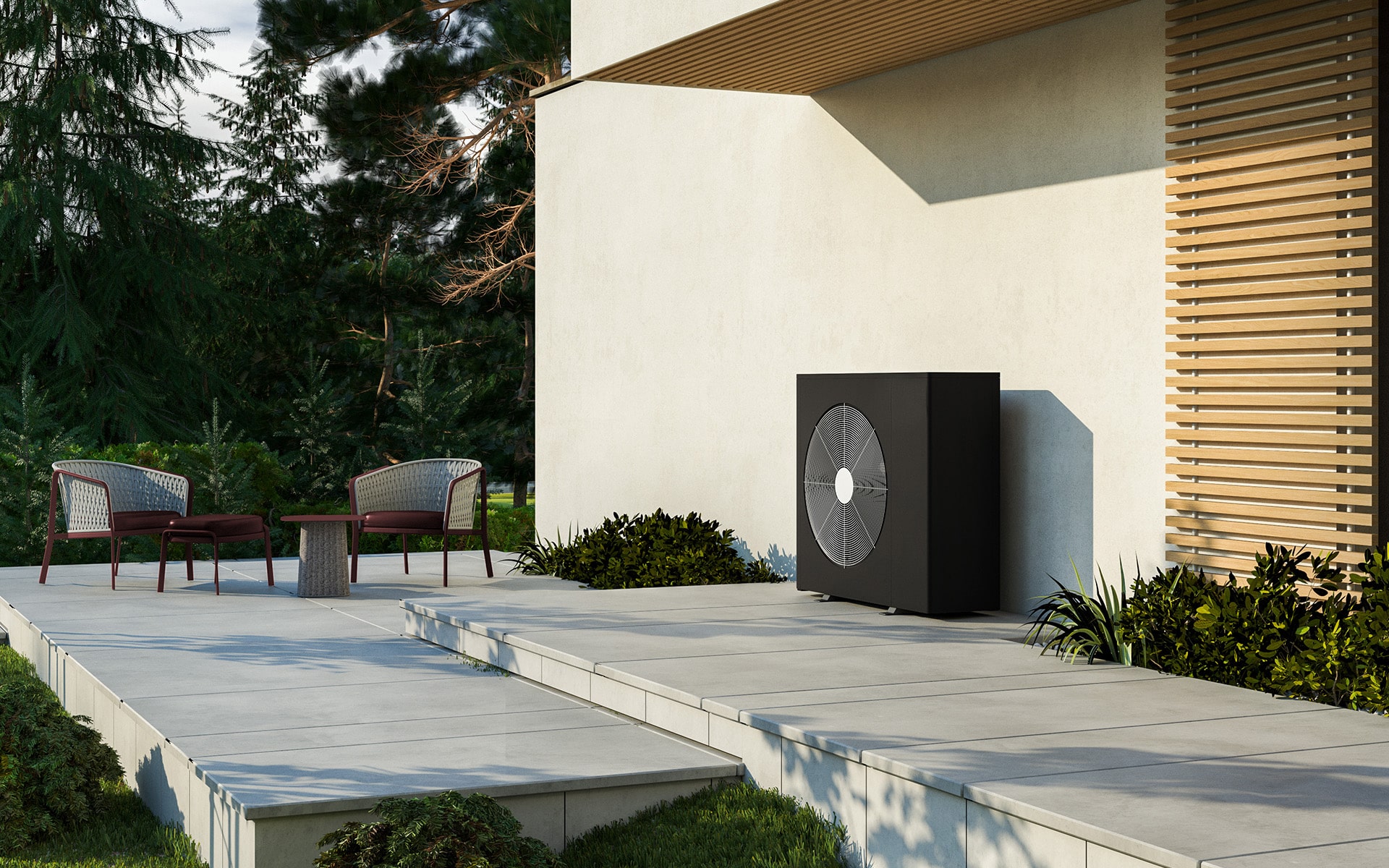
Heat pumps are once again gaining traction as a leading residential heating solution across Europe. After several years of fluctuating demand and market uncertainty, households are increasingly turning to energy-efficient, low-emission heating technologies that reduce costs and environmental impact.
Heat pumps, especially air-to-water systems, are being viewed not just as an alternative to traditional fossil-fuel boilers, but as a long-term solution for sustainable home heating in line with Europe’s climate and energy goals.
After a Slowdown, Demand Is Picking Up Again
Following strong growth earlier in the decade, the European heat pump market experienced a temporary slowdown around 2023–2024. Changing national incentives, economic uncertainty and higher upfront costs caused some homeowners to delay investments.
Since 2025, however, demand has begun to recover steadily. Industry data shows sales stabilizing and returning to growth, supported by clearer policies and stronger confidence among consumers. In 2026, heat pumps are once again firmly on the agenda for homeowners planning renovations or new builds.
European Union Support Is Boosting Confidence
One important reason behind this renewed momentum is continued support from the European Union. Heat pumps play a key role in the EU’s long-term plans to reduce fossil fuel use, improve energy efficiency and strengthen energy security.
Through initiatives such as the REPowerEU plan and dedicated heat pump programmes, the EU is encouraging member states to make heat pumps more accessible by:
- Supporting national incentive schemes
- Promoting training and awareness
- Creating clearer long-term policy direction
This EU-level commitment has helped restore confidence among homeowners and installers, contributing to rising interest in heat pumps across Europe.

Why Heat Pumps Make Sense for Modern Homes
Heat pumps are increasingly chosen because they combine efficiency, comfort and flexibility in one system. Key reasons include:
- Lower energy use compared to traditional heating systems
- Reduced exposure to fossil fuel price fluctuations
- Heating, cooling and hot water from one solution
This makes them particularly suitable for today’s European homes, where energy efficiency and year-round comfort are increasingly important.
Suitable for New Builds and Renovations
Modern air-to-water heat pumps are no longer limited to new buildings. Advances in performance mean they are now suitable for existing homes, including renovations where older heating systems are being replaced.
With the ability to deliver higher water temperatures, today’s heat pumps can often work with existing radiators or underfloor heating, making the transition more straightforward for homeowners upgrading in 2026.

How Toyotomi Supports This Shift
Toyotomi’s range of air-to-water heat pumps is designed with these changing needs in mind. Built to support both new installations and renovation projects, Toyotomi systems provide:
- High energy efficiency for lower running costs
- Reliable performance in a wide range of outdoor temperatures
- Heating, cooling and domestic hot water from one system
- Use of natural refrigerants aligned with EU sustainability goals
This makes Toyotomi heat pumps well suited for European households looking for a future-proof heating solution in line with current and upcoming regulations.
A Long-Term Investment in Comfort and Efficiency
As Europe continues its transition toward cleaner energy, heat pumps are increasingly viewed as a long-term investment rather than a short-term trend. They help households improve energy performance, reduce emissions and prepare for future regulatory changes.
With demand picking up again and strong institutional support in place, heat pumps are set to play an even bigger role in residential heating across Europe, supported by solutions designed to meet modern expectations.


