

Practical Cooling Strategies for Extreme Summer Temperatures
During summer heatwaves, many homes across Europe become uncomfortably hot for days or even weeks at a time. Outdoor temperatures remain high well into the night, apartments trap heat and fans seem to do little more than move warm air around the room. Sleeping becomes difficult, productivity drops and indoor spaces feel heavy and exhausting.
Heatwaves are no longer rare events. As extreme summer temperatures become more frequent, keeping your home cool is not just about comfort, it’s about protecting health and maintaining livable indoor conditions. This guide explains why homes overheat during heatwaves, what you can do to reduce indoor temperatures and when air conditioning becomes the most effective solution.

Why Homes Overheat During Heatwaves
Homes are not designed to release heat quickly once it builds up. During a heatwave, walls, roofs and floors absorb warmth throughout the day and slowly release it back into living spaces, even after the sun sets. This is especially noticeable in apartments, top-floor rooms and older buildings with limited insulation or ventilation.
Common factors that worsen overheating include:
- Prolonged high outdoor temperatures
- Direct sunlight through windows
- Poor airflow and ventilation
- Retained heat from appliances and electronics
- Urban environments where night-time cooling is limited
As a result, indoor temperatures can remain dangerously high, particularly at night.
Immediate Ways to Keep Your Home Cooler (Without Equipment)
There are several simple steps you can take to slow heat build-up in your home. Controlling sunlight is one of the most effective. Keeping blinds, curtains or shutters closed during the day helps block direct solar heat, while reflective window coverings can further reduce indoor temperature rise.
Ventilation is most useful during cooler periods. Opening windows early in the morning and late at night allows trapped heat to escape, especially when cross-ventilation is created by opening windows on opposite sides of the home. During the day, reducing internal heat sources also makes a difference. Avoid using ovens and heat-producing appliances, switch off unnecessary electronics and use low-energy lighting where possible.
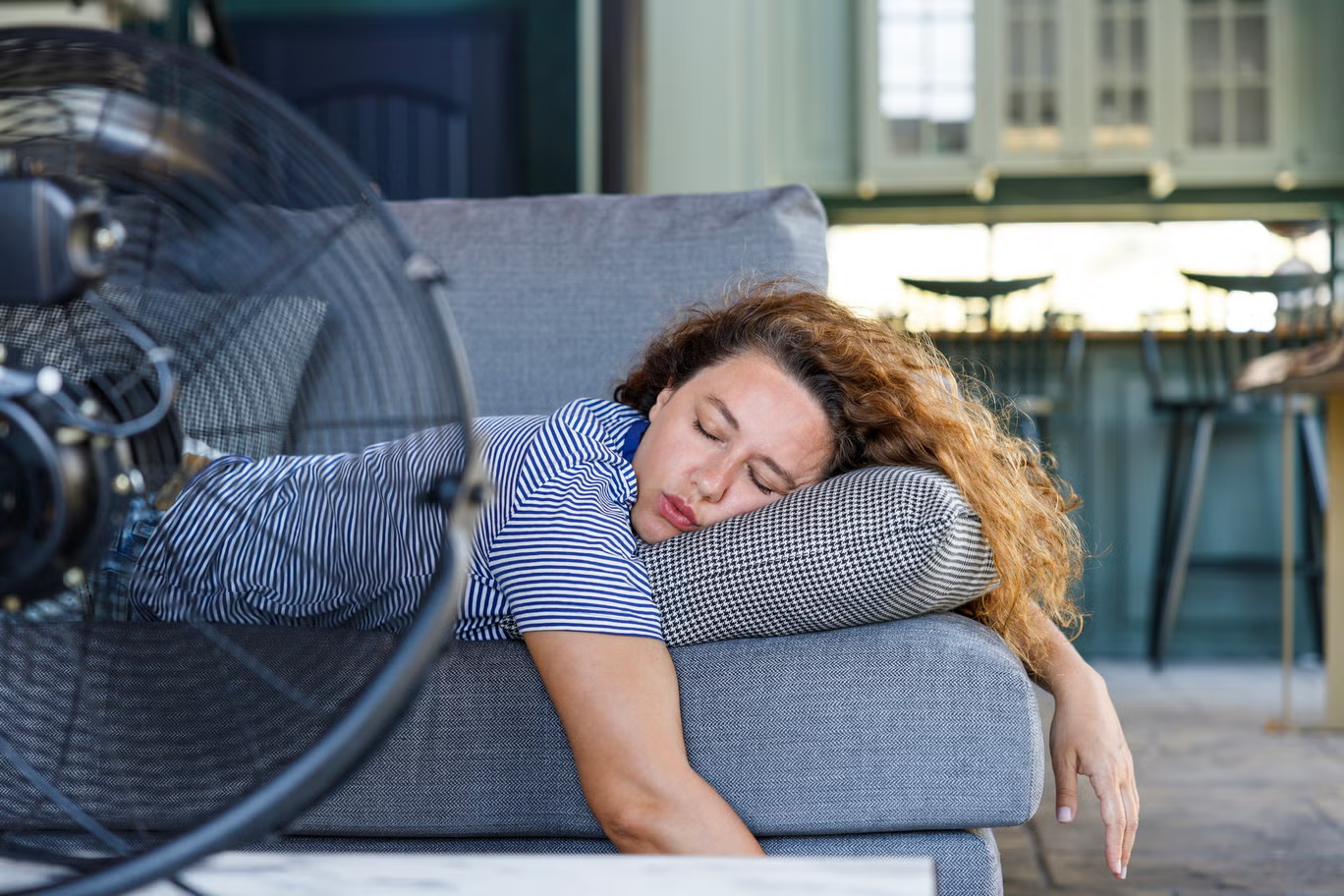
Fans can offer temporary relief when positioned near windows at night to help expel warm air. However, once indoor temperatures rise above body temperature, fans become far less effective and may simply circulate hot air rather than provide meaningful cooling.
These measures can help delay overheating, but during prolonged heatwaves they rarely deliver lasting comfort on their own.
Why Fans and Passive Cooling Often Stop Working
During intense heatwaves, outdoor temperatures may remain above 30°C well into the night. When this happens, ventilation and fans lose effectiveness because there is no cooler air available to bring inside. Instead of cooling the room, fans simply circulate warm air. This is why many people find their homes becoming hotter each day of a heatwave, despite taking all the usual cooling measures. At this point, active cooling becomes necessary to restore comfort.
The Most Effective Way to Cool Your Home During a Heatwave
When passive methods are no longer enough, air conditioning provides the most reliable way to control indoor temperatures. Unlike fans or ventilation, air conditioners actively remove heat from indoor air and release it outside, delivering consistent cooling regardless of outdoor conditions.
Portable Air Conditioners for Home Cooling
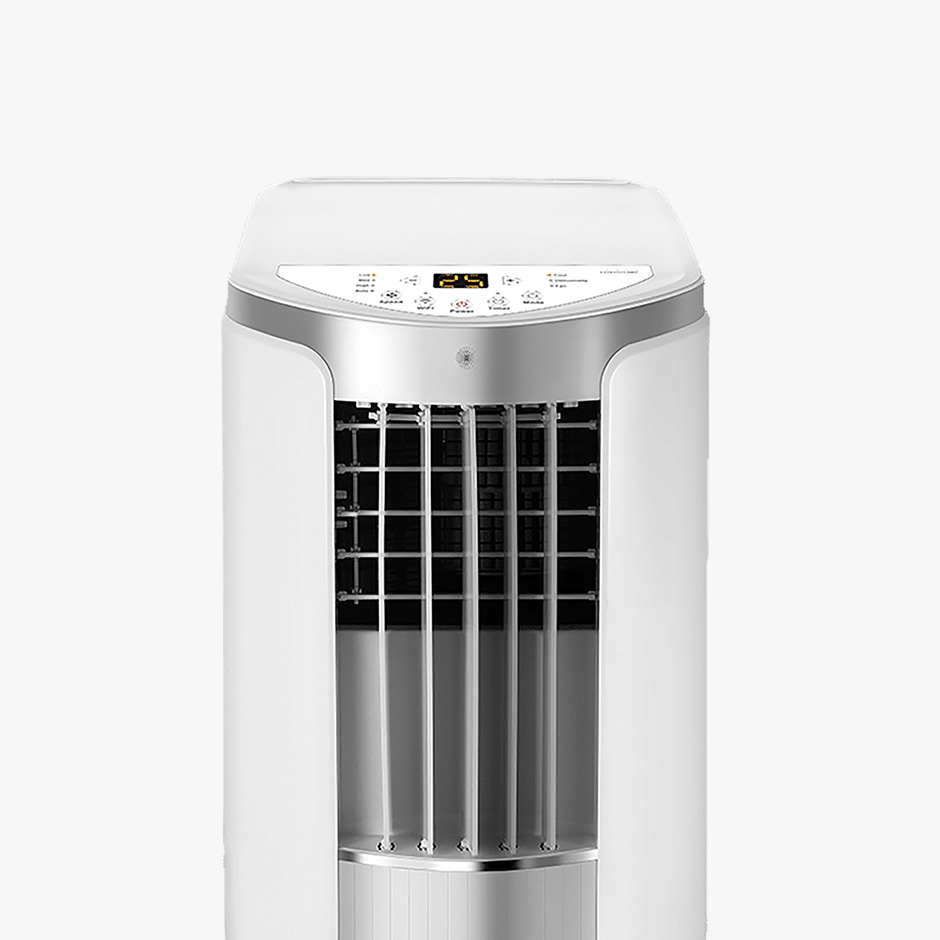
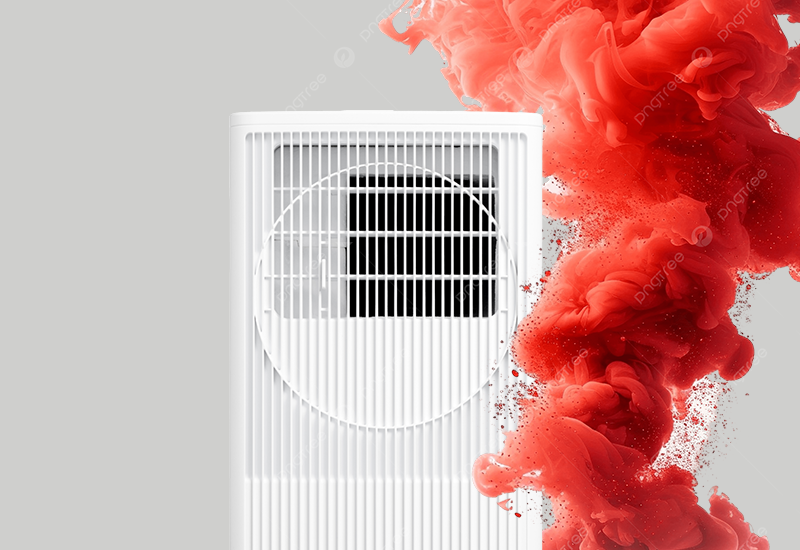
Portable air conditioners are an especially practical solution for homes where fixed air conditioning is not installed. They require no permanent installation and can be used exactly where cooling is needed most, such as bedrooms, living rooms or home offices.
Modern portable air conditioners offer:
- Powerful cooling during extreme heat
- Dehumidification for improved comfort
- Adjustable temperature control
- Easy setup without structural changes
They are ideal for renters, apartments and homes that experience overheating only during summer heatwaves.
Fixed and Split Air Conditioning Systems
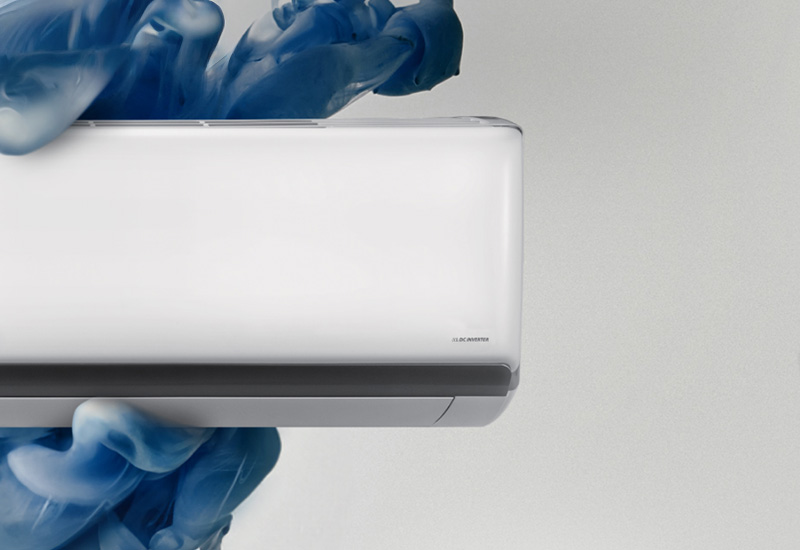
For homes that require long-term or whole-room cooling, fixed or split air conditioning systems provide a permanent solution. These systems offer high efficiency, quiet operation and precise temperature control, making them suitable for main living spaces and bedrooms used year-round. Fixed systems are especially effective in homes that experience repeated summer heatwaves or have persistent overheating issues.
Choosing the Right Cooling Solution for Your Home
The best cooling solution depends on the size of the room, how often it overheats and whether permanent installation is possible. Portable air conditioners offer flexibility and immediate relief, while fixed systems deliver long-term efficiency and consistent performance.
Homes with poor insulation, large windows or top-floor rooms often benefit most from active cooling solutions that can operate independently of outdoor temperatures.
Staying Comfortable and Safe During Extreme Heat
Keeping your home cool during a heatwave is about more than comfort. Prolonged exposure to high indoor temperatures can affect sleep, concentration and overall wellbeing, particularly for children and older adults. By combining practical heat-reduction strategies with reliable cooling solutions, it is possible to maintain a comfortable and healthy indoor environment even during extreme summer conditions.
Toyotomi offers a range of portable and fixed air conditioning solutions designed to help homes stay cool when heatwaves strike, providing dependable indoor comfort when it matters most.