

Practical Cooling Solutions for Homes Without Installed AC
During summer, many homes across Europe quickly become uncomfortable. Bedrooms trap heat overnight, living rooms feel stuffy by midday and working from home becomes increasingly difficult. This is especially common in apartments, older buildings or rented properties where fixed or split air conditioning is not installed.
Keeping a room cool without air conditioning often requires a combination of smart habits, airflow management and heat control. This guide explains how heat builds up indoors, what you can realistically do to reduce it and when portable air conditioning becomes the most effective solution for maintaining comfort.

Why Do Rooms Overheat So Easily?
Indoor spaces heat up faster than many people expect. Sunlight entering through windows, warm outdoor air, limited ventilation and everyday activities all contribute to rising indoor temperatures. Once heat is trapped inside, it can be difficult to remove without active cooling, especially during prolonged periods of high outdoor temperatures.
Common reasons rooms overheat include:
- Direct sunlight through windows
- Poor night-time ventilation
- Heat from cooking and appliances
- Warm air becoming trapped in sealed buildings
- Lack of installed cooling systems
How Heat Builds Up Indoors
Warm air naturally rises and becomes trapped inside rooms, particularly in buildings designed to retain heat for winter efficiency. During summer, this insulation works against comfort by preventing excess heat from escaping. Windows, walls and roofs absorb heat during the day and slowly release it into the room well into the evening. Without sufficient airflow or cooling, temperatures remain high overnight, affecting sleep and overall comfort.
Short-Term Ways to Keep a Room Cool Without Equipment
There are several steps that can help reduce indoor temperatures, particularly during mild or moderate summer weather.
Reduce Heat Entering the Room
- Close curtains or blinds during the hottest part of the day
- Use reflective or blackout window coverings where possible
- Keep windows closed when outdoor temperatures are higher than indoors
Improve Ventilation
- Ventilate early in the morning and late at night when air is cooler
- Create cross-ventilation by opening windows on opposite sides of the home
- Use fans to support airflow and reduce stagnant air
Limit Indoor Heat Sources
- Avoid cooking during peak heat hours
- Reduce use of heat-generating appliances
- Switch off unnecessary electronics and lighting
These methods can noticeably improve comfort but are often limited during heatwaves or in rooms that receive strong sun exposure.
The Limitations of Cooling Without Air Conditioning
While fans and ventilation improve airflow, they do not reduce the actual temperature of the air. During very hot days or warm nights, outdoor air may remain too warm to provide meaningful cooling.
In urban environments, upper-floor apartments and well-insulated buildings, passive cooling methods often reach their limits quickly. When heat remains trapped indoors for days at a time, maintaining a comfortable temperature becomes increasingly difficult.
When Portable Air Conditioning Becomes the Best Solution
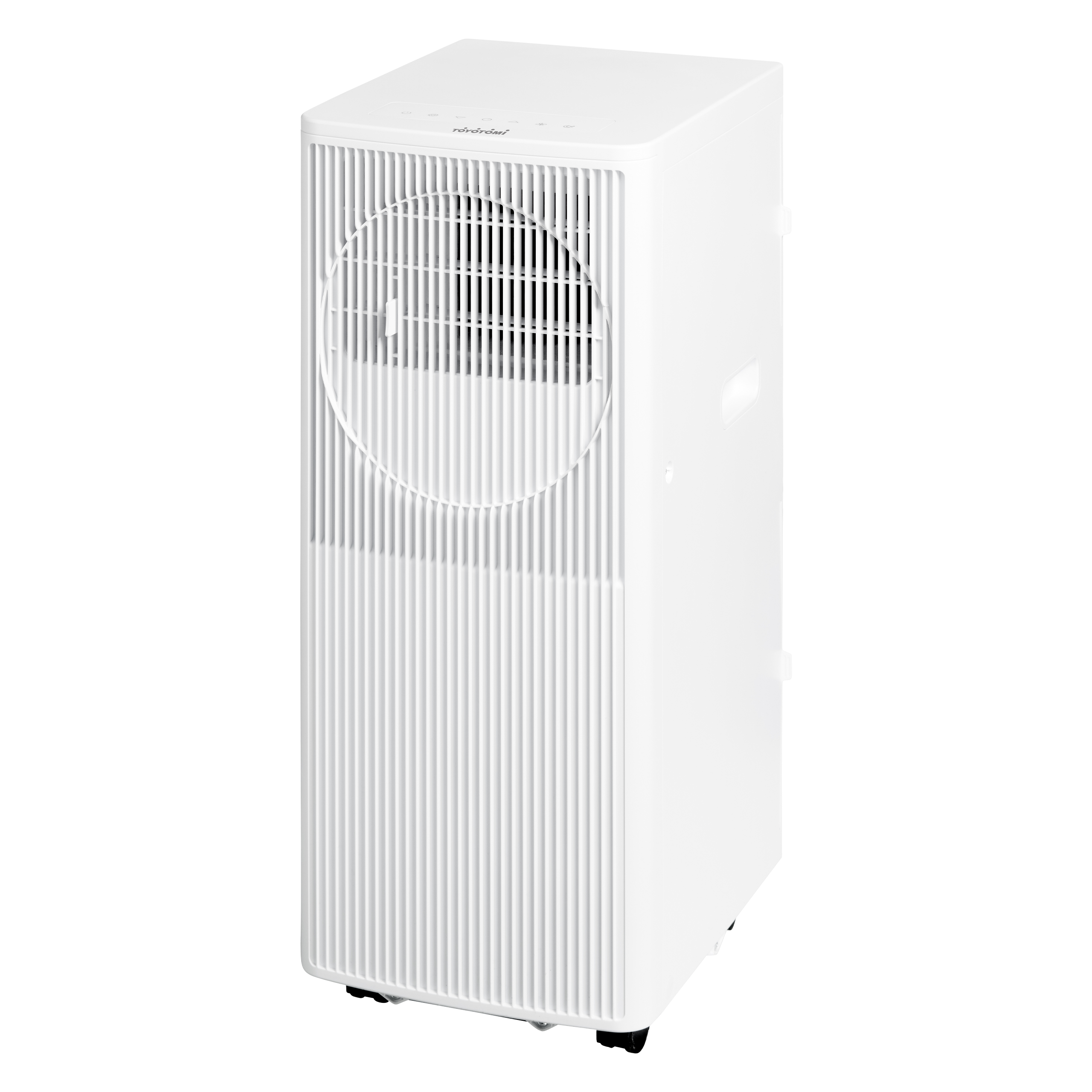
In many homes, “without air conditioning” means without fixed or split systems. In these situations, portable air conditioners offer an effective way to actively cool a room without permanent installation.
Portable air conditioners remove warm air from the room and expel it outside, lowering the actual indoor temperature rather than simply circulating air. This makes them particularly effective during prolonged heatwaves, in bedrooms at night or in spaces where ventilation alone is not enough. Because they require no structural changes, portable air conditioners are ideal for rented properties, temporary living spaces and homes where flexibility is important. They provide targeted, room-by-room cooling exactly where it is needed.
Choosing the Right Cooling Approach for Your Home
Keeping a room cool without installed air conditioning often involves combining several strategies. Shading, ventilation and reducing internal heat sources can significantly improve comfort during milder conditions.
When temperatures remain consistently high, portable air conditioners provide the most reliable solution for maintaining comfortable indoor environments without installing fixed systems. Understanding the limits of passive cooling helps set realistic expectations and ensures better comfort throughout the summer.
A Cooler, More Comfortable Indoor Environment
Staying cool indoors is essential for comfort, sleep quality and overall wellbeing during summer. While simple measures can help reduce heat build-up, they are not always enough during extreme or prolonged warm weather. Portable air conditioning offers a practical and effective way to cool rooms without fixed installation, making it an ideal solution for homes without built-in systems.