


Effective Solutions for a Healthier, More Comfortable Home
During winter, many households across Europe face the same frustrating problem: windows covered in condensation, clothes taking days to dry indoors and rooms that feel cold, heavy and uncomfortable even when the heating is on. In coastal areas, older buildings or poorly ventilated apartments, excess moisture can quickly become a daily issue.
Dehumidifying a room is not just about comfort, it’s about protecting your home, your belongings and the people living in it. This guide explains how indoor humidity builds up, how to reduce it effectively and when a dehumidifier becomes the most reliable solution.
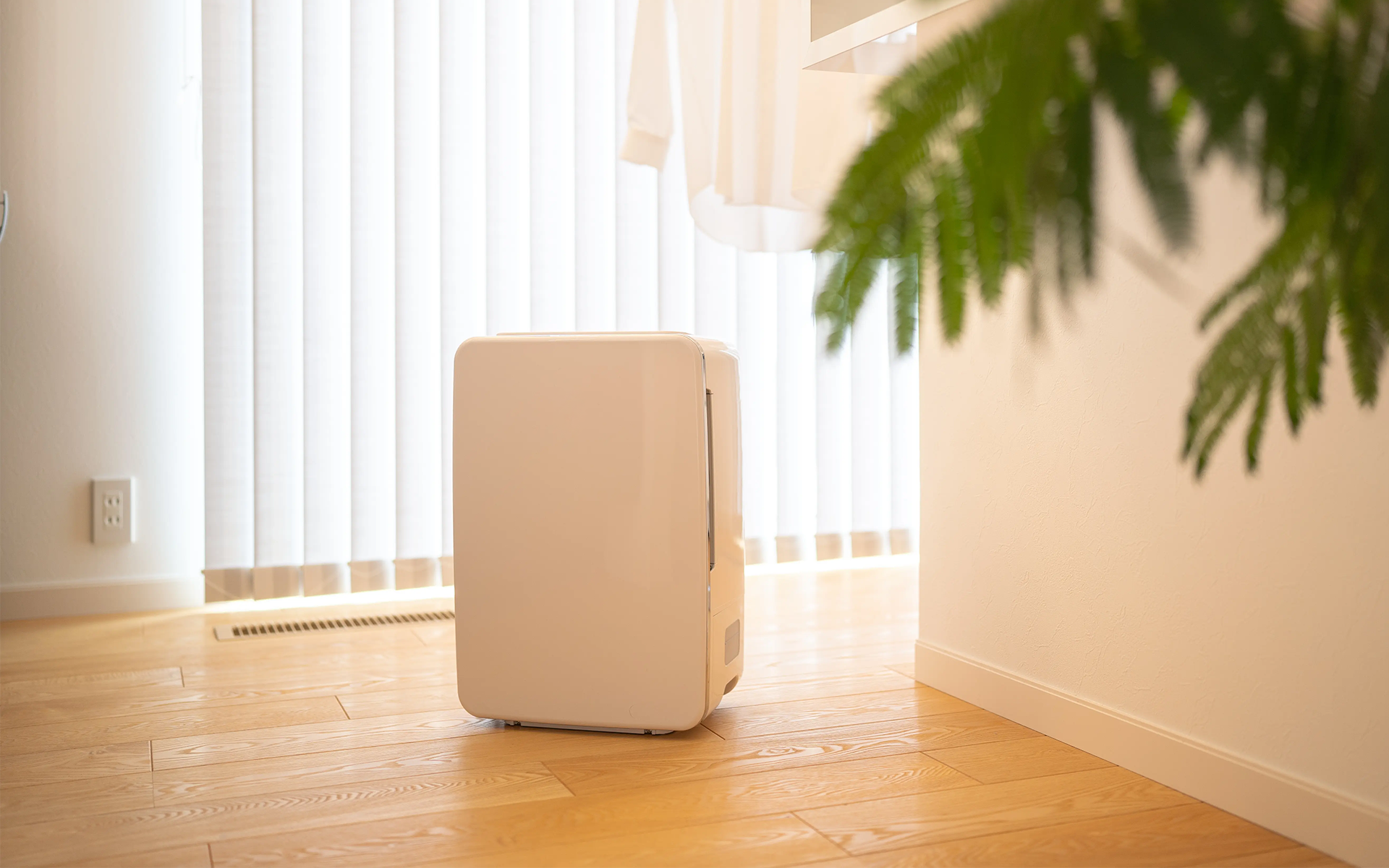
Why Do You Need to Dehumidify a Room?
Too much moisture in the air creates a range of problems that often go unnoticed until they become serious. High humidity makes rooms feel colder, encourages mould growth and can damage furniture, walls and electronics.
Common causes of indoor humidity include:
- Drying clothes indoors
- Cooking and boiling water
- Showers and baths
- Poor ventilation in winter
- Older or poorly insulated buildings
When humidity levels rise above comfortable levels, heating becomes less efficient and indoor air quality suffers.
Key problems caused by high humidity
High humidity inside the home often reveals itself through a combination of visible and invisible warning signs. Condensation forming on windows and walls is usually the first indicator, followed by the development of mould or mildew in corners, behind furniture or around window frames. Over time, excess moisture creates persistent musty odours and encourages the growth of dust mites and other allergens, which can negatively affect indoor air quality.
Another common but less obvious effect is that rooms begin to feel colder, even when the heating is running. Moist air holds heat differently, making indoor spaces feel damp and uncomfortable while increasing heating demand. Managing humidity is therefore essential for maintaining a warm, healthy and energy-efficient home.

How Indoor Humidity Works
Air always contains some level of moisture. Warm air can hold more water vapour than cold air, which is why condensation often appears on cold surfaces such as windows, corners of rooms and external walls.
During winter, homes are sealed to keep heat inside. While this improves energy efficiency, it also traps moisture indoors. Everyday activities continue to release water vapour into the air, causing humidity levels to rise without proper ventilation or moisture control. If left unmanaged, this excess moisture settles into walls, furnishings and fabrics, creating long-term damp issues.
Short-Term Ways to Reduce Humidity (Without Equipment)
There are simple steps you can take to reduce moisture levels, although these methods are often limited and temporary.
Improve ventilation
- Open windows briefly each day, even in winter
- Use extractor fans in kitchens and bathrooms
- Keep internal doors open to improve airflow
Manage moisture sources
- Cover pots when cooking
- Dry clothes outdoors when possible
- Avoid placing wet items near heaters
Use heating strategically
- Maintaining a consistent indoor temperature helps reduce condensation
- Cold rooms are more likely to attract moisture
While these steps can help, they often aren’t enough in damp homes, basements, bedrooms or during prolonged wet and cold weather.
The Most Effective Way to Dehumidify a Room
For reliable, long-term humidity control, a dehumidifier is the most effective solution. Unlike ventilation alone, dehumidifiers actively remove excess moisture from the air. They work by drawing humid air in, extracting the water and releasing drier, more comfortable air back into the room. Because they work independently of weather conditions, dehumidifiers provide consistent results year-round.
Benefits of using a dehumidifier
- Reduces condensation and damp
- Helps prevent mould growth
- Improves indoor air quality
- Makes rooms feel warmer at lower temperatures
- Protects furniture, walls and belongings
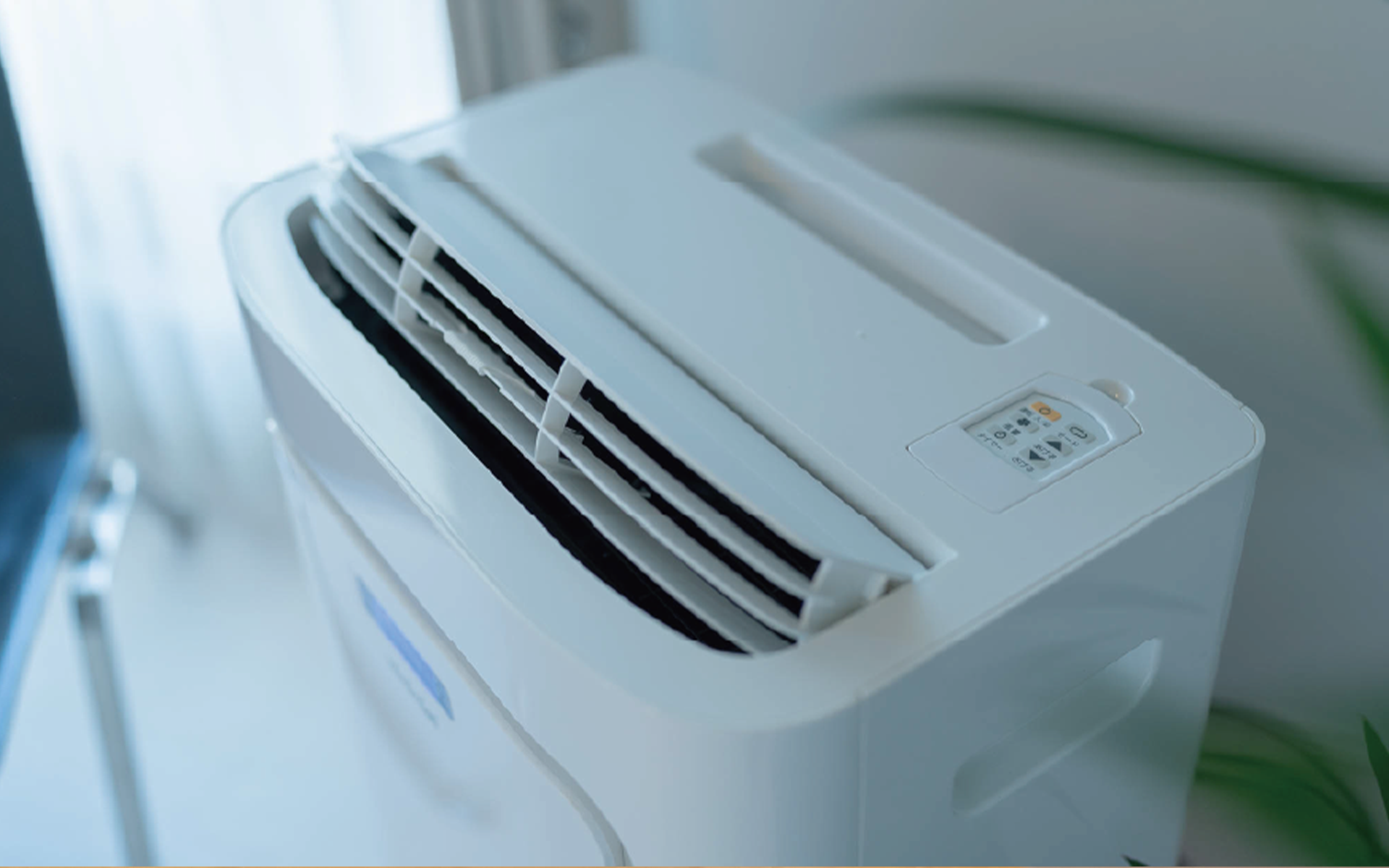
How to Choose the Right Dehumidifier
Choosing the right dehumidifier depends largely on the size of the room and how severe the moisture problem is. Larger spaces or open-plan rooms require a unit with a higher moisture extraction capacity, while smaller bedrooms or offices can often be managed with more compact models. In homes where damp is persistent or seasonal, continuous and reliable operation becomes far more important than short-term moisture removal.
Noise levels should also be considered, especially if the dehumidifier will be used in bedrooms or living areas where comfort matters most. Energy efficiency plays a key role as well, as dehumidifiers are often used for extended periods during autumn and winter. A well-sized, efficient unit can help reduce overall heating demand by making rooms feel warmer and drier.
Practical features such as water tank capacity or the option for continuous drainage affect how convenient the unit is to live with day to day. One of the most common mistakes is choosing a dehumidifier that is too small for the space, which often leads to poor performance and the impression that dehumidification does not work effectively.
Where Dehumidifiers Are Most Effective
Dehumidifiers are particularly useful in:
- Bedrooms with condensation on windows
- Living rooms in older or poorly insulated homes
- Bathrooms without proper ventilation
- Basements and ground-floor rooms
- Homes drying laundry indoors during winter
In these spaces, controlling humidity improves comfort immediately and helps prevent long-term damage.
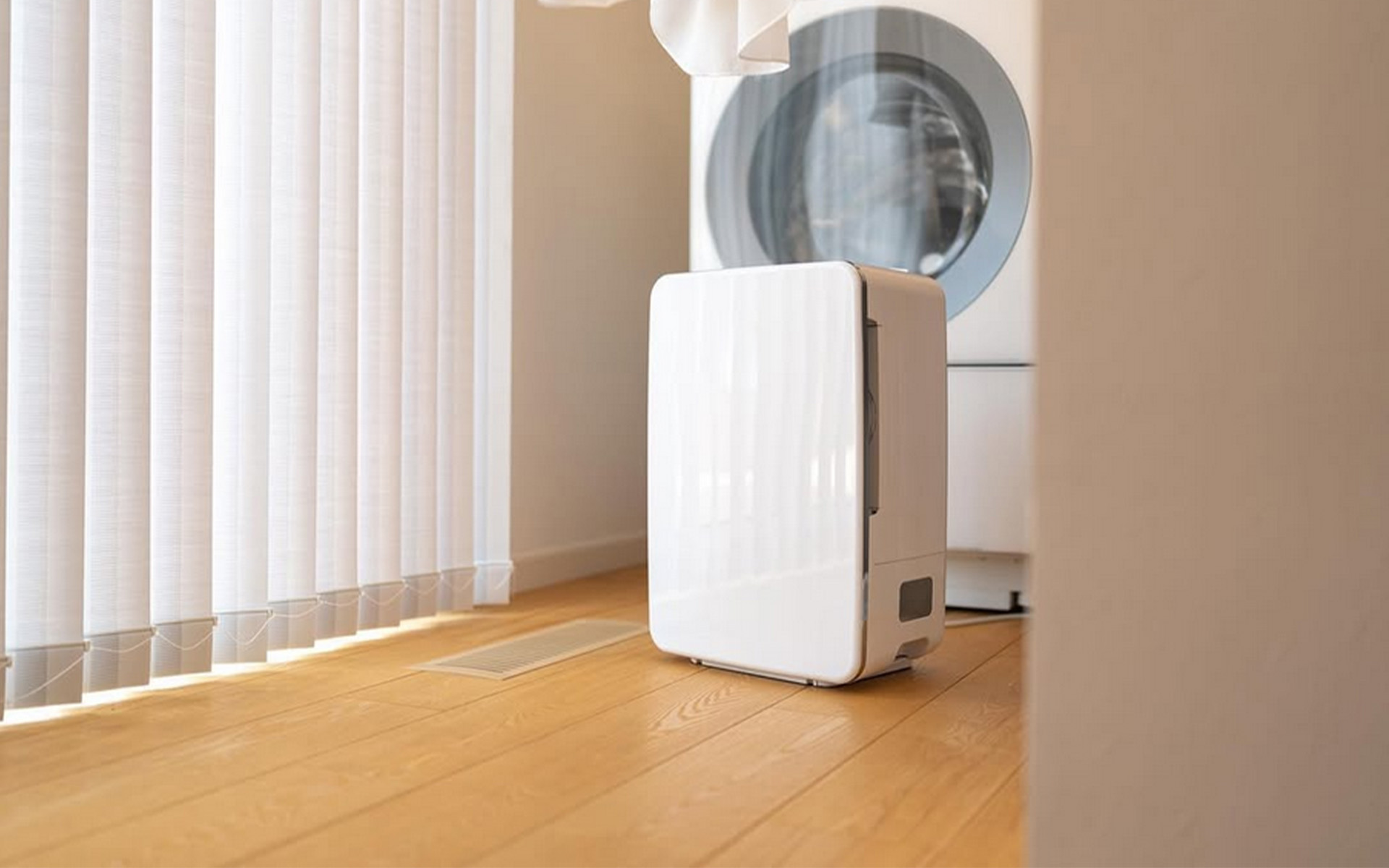
Common Mistakes to Avoid
One of the most common mistakes when using a dehumidifier is running it only occasionally instead of allowing it to operate consistently. Humidity builds up gradually and short or irregular use often prevents the unit from maintaining a stable moisture level. Placement also plays a significant role. Positioning a dehumidifier too close to walls, furniture or curtains can restrict airflow and reduce its effectiveness.
Another frequent issue is choosing a unit that is too small for the room or moisture level. An undersized dehumidifier may run continuously without ever achieving comfortable humidity, leading users to believe the solution does not work. It is also easy to overlook adjoining rooms, where moisture can migrate and undermine results. Correct sizing, proper placement and continuous use are essential for achieving effective and lasting dehumidification.
A Healthier, More Comfortable Indoor Environment
Dehumidifying a room is one of the simplest ways to improve comfort, protect your home and support healthier indoor air. While short-term measures can help, a reliable dehumidifier provides consistent moisture control that ventilation alone cannot achieve.
By keeping humidity at comfortable levels, rooms feel warmer, air feels fresher and the risk of damp-related problems is significantly reduced, especially during Europe’s long, wet winters.


